
A Small Effort in Fulfilling Khalsa Duty Through Sustainable Farming and Community Patrolling
Author’s Note: With sincere appreciation, we present this month’s article subject as selected by the Sangat.
A group of approximately 20 Theravada Buddhist monks from here in North Texas are currently embarking on a 2,300-mile Dhamma Yatra, known as the Walk for Peace.
These monks, who typically live and practice in quiet seclusion within their monastery walls, are motivated by what they see as a profound need for spiritual upliftment in our society.
The march (which commenced in Oct. 2025) has captured widespread attention, with their Instagram page now boasting 1.6 million followers and their Facebook page reaching 2.2 million.
Their journey unfolds against a backdrop of deep American discontent, driven by intense political polarization, social disconnection, mounting work pressures, and financial stress.
According to the World Happiness Report 2024, Americans under 30 rank 62 amongst 143 countries, coming in at a happiness average of 6.392. The overwhelming positive response to the Buddhist monks has made one thing clear: people are looking, looking for something which will grant them inner peace.
“You are bringing people hope,” the governor of North Carolina Josh Stein told the monks. “You’re inspiring people at a time when so many are in need of inspiration. We live in a time of partisan rancor and political discord.”
Erica Hamburg (someone who had shown previous interest in Buddhism) had this to say about the Walk for Peace as monks passed through Coweta, Georgia.
“You just feel compassion and goodness wherever they are. There’s so much division and mistrust right now. Not a lot of things are bringing peace to humans.”
The monks, in an effort to spread the dharma of peace, stop along the way to distribute peace bracelets and deliver short discourses to the crowds that gather. “Don’t worry about the world”, Bhante Pannakara told those gathered at Stone Mountain, Georgia on December 31st. “Worry about ourselves and our families first. If each and every family could do the same, the world would be at peace. Don’t try to change anybody and don’t try to change the world. If we cannot change ourselves and our families, then there’s no way we can change the world.”
They are expected to reach the US capital around February 12th.
Similar to the Buddhist monks, the Divine Creator was spurred into action upon hearing the cries of humanity. Sending Guru Nanak Dev Ji in 1469 with the mission to spread divine consciousness into the world, the Sikh tradition evolved across the Gurus until Guru Gobind Singh Ji established the Khalsa. This disciplined religious order has duties which fall into two main categories: the inner war and the outer war.
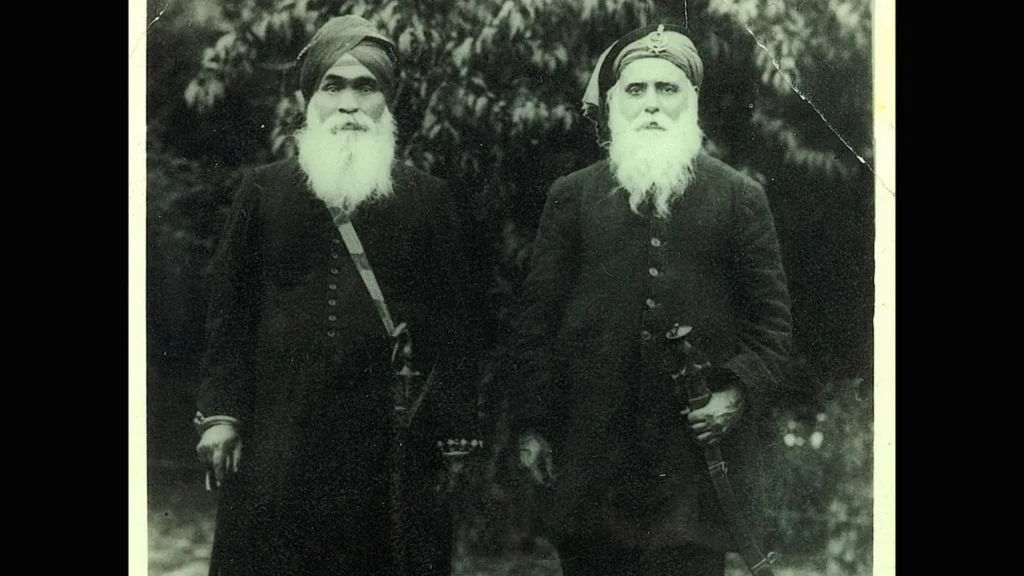
The Inner War
The Outer War
The Outer War is what most would describe as the battle between “good vs. bad”, “darkness vs. light”, “ righteousness vs. evil”. Taking and bringing the five virtues out into the world through action and deed, this war is a war of selflessness. No longer is there a focus on personal outcome but collective well being, serving others regardless of faith, economic status, appearance, education, ancestry, language, gender, age, etc.
As it relates to the outer war, Guru Sahib draws attention to two key groups during his conversation with Bhai Nand Lal Ji. In our time, the majority of Khalsa often neglect to address these groups at the individual/personal level.
The Two Forgotten Hukams of Guru Gobind Singh Ji
“Khalsa is the one who…kills the five (vices) and destroys doubt (duality)…takes care of the poor and disciplines the wicked…connects with the Divine and destroys bondage…climbs the horse and wages war daily…wears arms and punishes the wicked…”.
– Bhai Nand Lal “Goya,” Tankhahnama
Hukam #1: Take Care of The Poor (ਨਿਰਾਧਨ)
The word used for poor here is ‘niradhan’. In English, it is often translated as “poor”, “penniless”, or “poverty-stricken”. The word ‘niradhan’ is not only used for those who are lacking monetarily. It is also used for those lacking Naam consciousness.
ਜਿਸਨੋਵਿਸਰੈਨਾਉਸੁਨਿਰਧਨੁਕਾਂਢੀਐ ॥
One who forgets Naam is known as a poor person.
In most Western countries where Sikhs reside today, both implications could apply to the general populace.
Hukam #2: Discipline The Wicked (ਦੁਸ਼ਟ)
The word ‘dhushat’ is related to the word ਦੁਸਟੁ, which means “villains”, “wicked persons”, and “sinners”. Looking at the way this word is utilized within stories in Gurbani, I drafted the following definition for the word:
“An individual who is under the control of the five thieves and acts according to such without showing signs of restraint and repentance”
Examples given in Gurbani in conjunction with this word include…
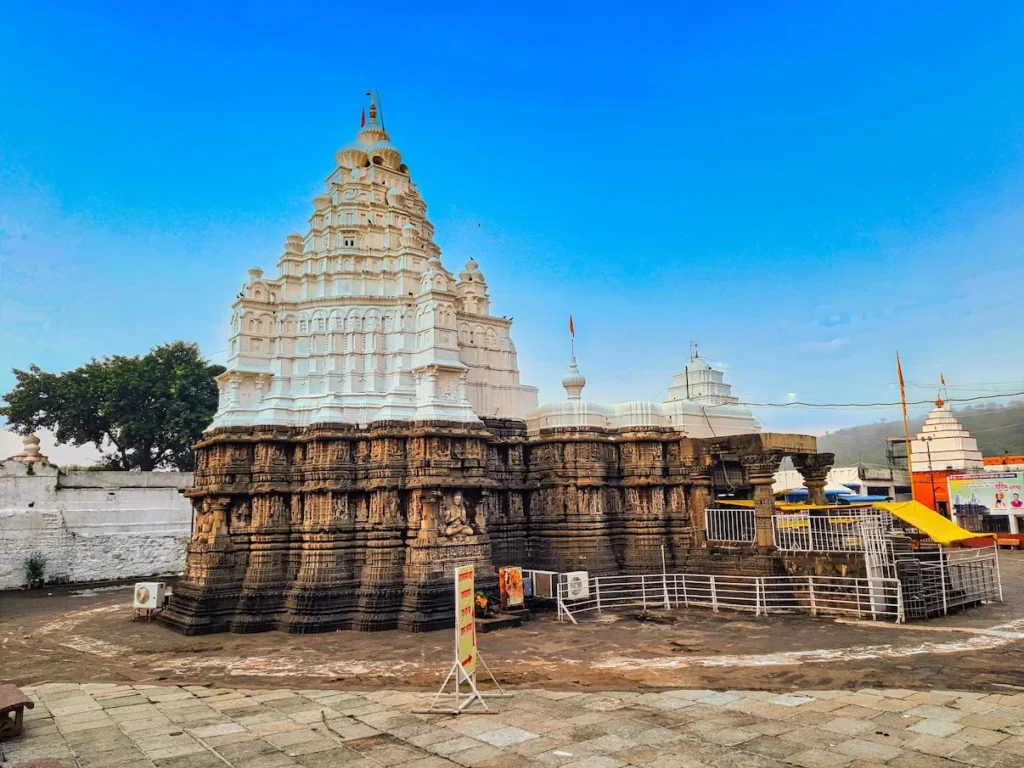
Dushts can manifest in a variety of human forms. Even within our own community, there are those who don the garb of a Sikh while committing immoral or criminal acts (embodying the phrase “a wolf in sheep’s clothing”). In most cases, only a force for good can deter or stop such activity.
Addressing These Two Groups
For any Khalsa who feels drawn to live more fully these hukams, the path can at first seem daunting. Instead of aiming for sweeping, large-scale transformations, let’s begin by reflecting on two small, meaningful steps that anyone can take right where they are, at the grassroots level.
The Beginnings of a [Sikh] Community Garden
Unlike the U.K. and Canada, the majority of Americans are unaware of the Sikh faith.5 By default this means most Americans (including poor Americans) are not familiar with Guru Nanak Dev Ji’s institution of langar. Langar by tradition is present within every Gurdwara Sahib in the world. However, the lack of intentional awareness or invitation from the majority of Gurdwaras toward the general public to take part in it has always been concerning from my personal perspective. Even in preparation for constructing this article I decided to do some research to confirm the local visibility of Sikhs when it comes to food assistance in the Metroplex. When a person in need of food assistance searches for help, they’ll most often reach out to their local provincial hotline (that is 211 in the United States) or conduct searches on the internet. A local search for food pantries revealed that out of the 41 listed, 27 were run by a Christian denomination or organization6. The rest were non faith based organizations or nonprofits.
The HUD “Find Shelter” Tool listed 20 local pantries, with 14 being run by Christian organizations or denominations. Further research confirmed just one out of 8 established Gurdwaras in the Metroplex are partnered with a food bank (outside of the holiday season and times of crisis), conducting a food drive at the beginning of every month. Local Khalsa Aid volunteers and a local SSA contribute to food banks and food drives on occasion. (May Guru Nanak continue to expand their efforts!)
The question remains though why isn’t the larger community invited into Sikh spaces, spaces in which they can not only receive nutritional fulfillment from the hands of Guru Nanak Dev ji but an indirect way spiritual healing? This question remained with me as I was thinking about what can be done. Then one day an email arrived with an invitation.
An Invitation to Regenerative Farming
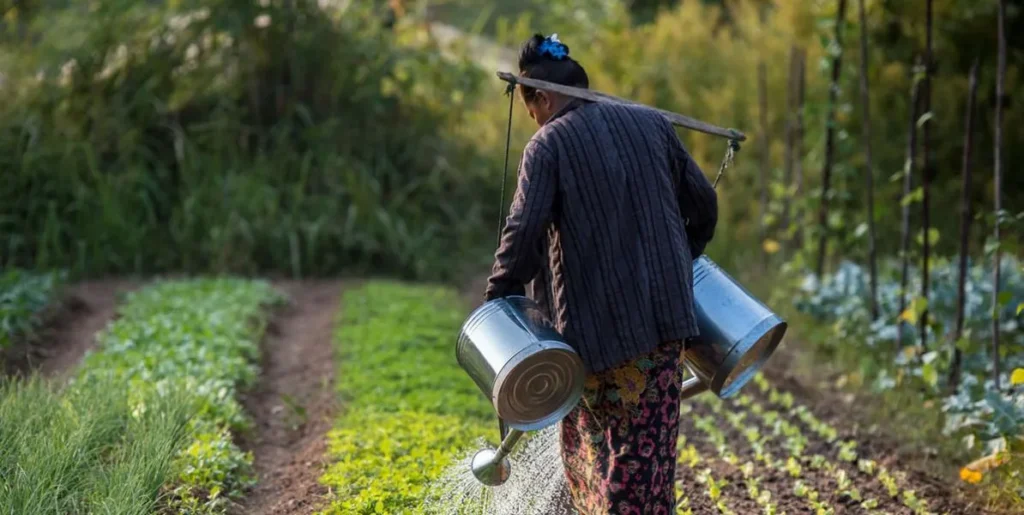
In 2024, Tarleton State University (Stephenville, TX) partnered with Opal’s Farm to launch a hybrid, semester-long program. Participants learn the principles of organic and regenerative farming as applied to an urban context. With the overall goal of increasing local access to nutritious foods, the inaugural iteration of the program received an overwhelming response, attracting 100 applicants (25% of whom were admitted).
As of January 2026, the program has grown, and by Waheguru’s grace, our association was able to apply and has joined the second cohort. Through this, we’ve started setting the foundation for a community garden, not only to expand access to free organic produce for the general public, but also to pass on knowledge and skills to fellow Sikhs who wish to grow their own food in personal or shared spaces, in line with their dietary bibek.
Serving as Guardians in Our Communities
In most parts of the world, the individual will find themselves under the jurisdiction of a police department. The feelings everyday people hold toward their local departments vary from city to city, town to town, and village to village. Some departments have positive relations with the people they serve, while others can be seen as being in direct opposition. Each have shortfalls or areas of weakness that most in their constituents are not afraid to point out.
One common complaint about policing is that patrol officers aren’t from the areas they’re patrolling, resulting in an emotional disconnect and distrust between residents and the police. In an effort to build better relationships with the people they serve and receive help in deterring crime, some police departments have given oversight to community members through effective community policing programs. One such program is Citizens on Patrol.
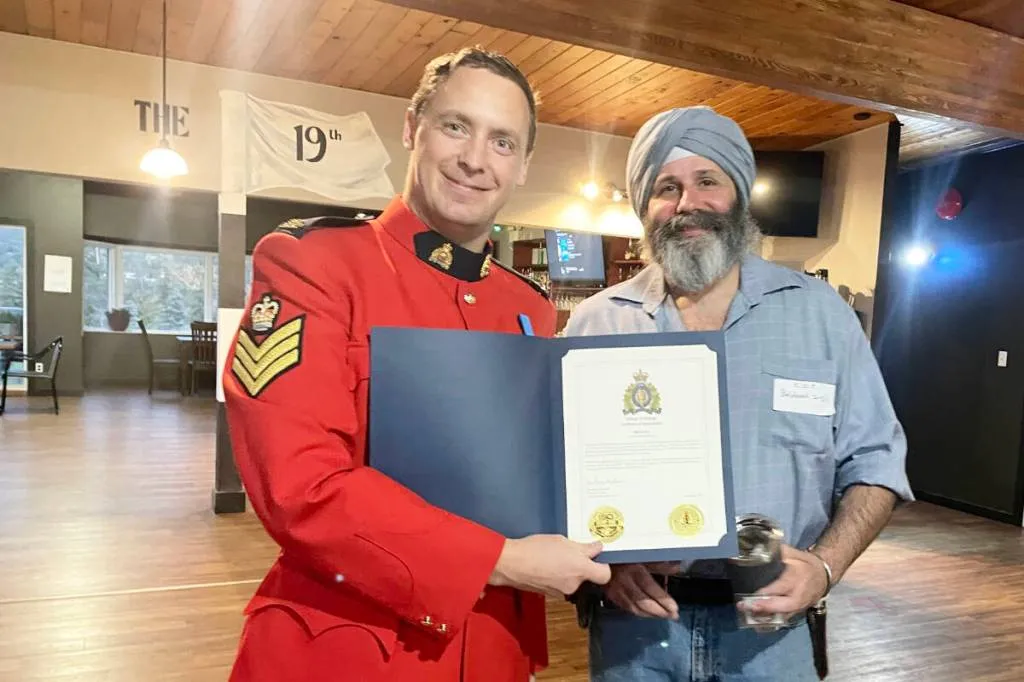
Balwinder (Bob) Singh Sunner honoured at an appreciation dinner for Citizens on Patrol and Restorative Justice in Williams Lake on Sept. 13. (Ruth Lloyd photo – Williams Lake Tribune)
Citizens on Patrol (COP) is a volunteer program where community members help deter crime and build trust with law enforcement. Volunteers are background checked and tend to be recognizable by their radios, uniforms, cars, etc. to observe and report issues to their neighborhood patrol officer.
In areas where Citizens on Patrol is unavailable, faith communities have established their own patrol associations7, working in collaboration with their local police department but remaining structurally independent.
Citizens on Patrol programs also exist in Canada. Recently, the Williams Lake Tribune out of William Lake B.C. highlighted Baldish ‘Bob’ Singh (pictured above), the leader of their COP and participant for over two decades.
Our association is grateful to serve as an active volunteer member of our local Citizens on Patrol, seeking to share the skills and spirit we’ve received to invest in fellow Gursikhs who are ready to serve as dedicated pehredaars in their own communities and Sangat.
The Grassroots Khalsa Renaissance
In a time when there is growing frustration and dissatisfaction surrounding the overall regression that the majority of traditional Sikh spaces (Gurdwarai) have fallen into, especially among the youth, we must recognize a message similar to the one that the monks preached to those in Georgia that day. The solution for this dilemma does not lie in trying to change the institutions that already exist nor in trying to change the hearts and minds of the Mahants and Masands running them.
The reality is this: if every Khalsa were to take personal responsibility back into our own hands and surrender our own homes, spaces, and property to be used in service of Guru Gobind Singh’s cause, to serve the poor both literally and spiritually and to defend against the wicked, then Guru would bless it. Sikhi would naturally flourish, and the beginnings of Khalsa Raj would come to pass with the implementation of Degh Tegh Fateh.
Enjoyed reading this? If you’re interested in staying connected with our community’s garden growth or community policing outreach, just reach out on WhatsApp. We’d love to welcome you to the group.
Resources on Building Sikh Institutions and Spaces:
- For more information, check out the following article: https://www.sikhnet.com/news/five-add-and-five-delete
- “Those wicked enemies who slander the devotees are destroyed, like Harnaakhash.” (Ang 1309)
- “…as You saved Draupadi from shame when she was seized and brought before the court by the evil villains.” (Ang 982)
- “Naam Dev, the calico printer, was driven out by the evil villains, as he sang Your Glorious Praises; O Creator You protected the honor of Your humble servant.” (Ang 976)
- A 2013 study led by the Stanford Innovation Lab and the Sikh American Legal Defense and Education Fund found that 70% of Americans misidentified Sikhs.
- This includes the Presbyterian Church, Baptist Church, Episcopal Church, the Seventh Day Adventists, the Methodist Church, the Church of Christ, and Catholic Church.
- Examples include the Muslim Community Patrol & Services in Brooklyn, NY and the Jewish Patrol organization Shomrim/Shmira (present in areas with high Jewish concentrations in the United States and abroad).